Audience research
Part of Audience research for a franchise that keeps operator and customer questions apart
Franchise buyer personas built from observed decisions, not demographic guesswork
Create evidence-based franchise buyer personas for England from observed decisions, objections and operating needs, without inventing demographic stereotypes.
Franchise opportunities buyer personas should summarise patterns found in real research, not fictional life stories written before anyone has been interviewed. Their purpose is to help a franchisor or publisher answer different evidence needs at the right point in a buyer's decision. An age, name and stock photograph are not a substitute for that work.
What to take away
- Build personas from patterns found in real research, not fictional life stories written before any interviews.
- Organise the profile around the decision to investigate, fund and operate a franchise.
- Interview people at different stages, including someone who stopped and a recent operator.
- Record actions as well as statements, because discrepancies between them are useful evidence.
- Date every persona and review it when the franchise model, agreement or territory changes.
What belongs in a franchise buyer persona
Persona decision fields
- Trigger that started the search
- Intended working role
- Previous business experience
- Available time
- Funding constraints
- Preferred territory
- Proof required before progressing
Start Up Loans' guide to buying a franchise asks readers to examine the territory, franchisor background, total costs, support, restrictions and existing franchisees. Those are credible subjects to explore with buyers. The guidance does not establish that every person values them equally, which is precisely what the research must discover.
Build from decisions and observed behaviour
Before recruitment, write questions such as: Which commitment stops suitable candidates? Where do they look for independent verification? What changes between first enquiry and contract review? GDS guidance on planning user research recommends turning assumptions into research questions and says personas or profiles can be created as knowledge of users develops.
Interview sample stages
- Someone currently comparing offers
- Someone who stopped
- A recent operator
- A person who sold or exited
- Do not let franchisor supply whole sample
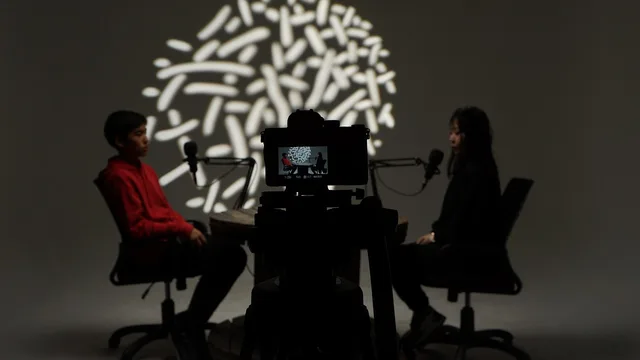
Interview people at different stages. Include someone currently comparing offers, someone who stopped, a recent operator and, where possible, a person who sold or exited. Do not let the franchisor provide the whole sample. The GDS page on participant recruitment warns that recruitment channel and session arrangements affect who takes part.
Record actions as well as statements. A participant may say support is their priority yet spend most of the session checking working capital and territory exclusions. The discrepancy is useful; do not edit it away to make a neat character.
Find patterns without forcing categories
After each round, place observations under the research questions. Keep a note of the source participant and context. GDS guidance for analysing sessions tells teams to separate what they saw or heard from what they think it means, then group observations into findings and actions.
Create a persona only when several observations point to a distinct need or behaviour. Two candidates can have similar savings and opposite plans: one wants to deliver the service personally, while another expects to recruit a manager. Their operating intent may matter more than demographic similarity.
Include contrary cases below each pattern. If four participants demand detailed unit economics and two are mainly concerned about schedule flexibility, the persona should not claim unanimous priorities.
A compact template
Use a one-page record with these headings:
- research base
- round, dates, geography and participant criteria
- current situation
- employment, ownership or operating context relevant to the decision
- intended role
- delivery, management or multi-unit ambition, if supported by evidence
- decision task
- the next choice the person is trying to make
- questions and objections
- expressed in the participant's language, without invented quotations
- verification behaviour
- records, people or professional advice used
- barriers and access needs
- only those actually observed
- confidence and exceptions
- strength of the pattern and cases that do not fit
The list is a working format, not a set of universal franchisee types.
Test whether the persona earns its place
Give the profile to someone drafting an opportunity page or planning a follow-up call. Ask what they would change because of it. If the answer is nothing, return to the evidence. A persona might justify explaining the owner role earlier, separating new-territory information from resale evidence or making full fee categories easier to find.
Date every persona and review it when the franchise model, agreement, territory or recruitment channel changes. Label any England-wide claim honestly: a handful of interviews in two cities cannot describe franchise buyers across the country. The persona is useful when its source boundary stays visible and its pattern can be challenged by the next research round.
Before you act
- Write research questions before recruitment begins.
- Interview buyers at different decision stages.
- Do not let the franchisor supply the whole sample.
- Note the source participant and context for each observation.
- Create a persona only when several observations point to a distinct need.
- Test the persona with someone drafting an opportunity page.
Common questions
What should a franchise buyer persona be built from?
It should summarise patterns found in real research rather than fictional life stories written before anyone has been interviewed. An age, name and stock photograph are not a substitute for that work. Organise the profile around the decision to investigate, fund and operate a franchise.
Who should be interviewed when building these personas?
Interview people at different stages. Include someone currently comparing offers, someone who stopped, a recent operator and, where possible, a person who sold or exited. Do not let the franchisor provide the whole sample, because recruitment channel and session arrangements affect who takes part.
How do you know a persona is worth keeping?
Give the profile to someone drafting an opportunity page or planning a follow-up call, then ask what they would change because of it. If the answer is nothing, return to the evidence. Date every persona and review it when the franchise model, agreement, territory or recruitment channel changes.